

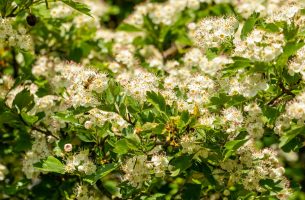
Most of us also know that trees are wonderfully beneficial for wildlife, providing shelter, food and habitat for a wide range of species. But there is increasing awareness of just how important trees can be for our own health and happiness.
Read More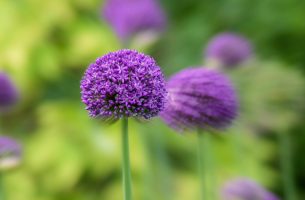
Perennials are the lifeblood of many
gardens. Bursting into life in early spring,
providing colour and interest throughout the warmer months and then quietly dying back as the temperatures fall ready to do it all again the following year.
Biodiversity has become a bit of a ‘key phrase’ in recent years. We hear it
mentioned a lot on the news, and increasingly in relation to planning applications. But what does it mean?
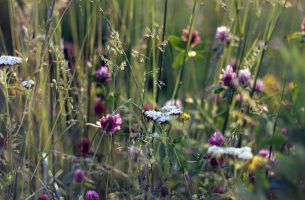
Late summer can often be a rather tricky time for our gardens. The colour and abundance of earlier in the season can
often feel like a fairly distant memory as many of our favourite perennials will begin to look tired and faded.
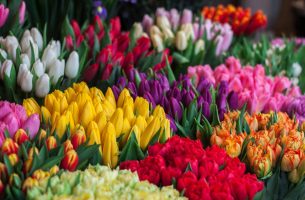
Of all the months of the year, June is arguably the most colourful for our
gardens. With typically warmer temperatures, long days of bright
sunshine (hopefully), and still plenty of moisture in the soil from the spring,
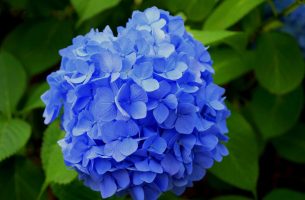
A well-designed garden will feature a pleasing blend of different types of plants. We’ve got trees to provide height, structure and shade.
Read More
Do you have a compost bin or heap in your
garden? If not, maybe this spring could be the time to put that right.
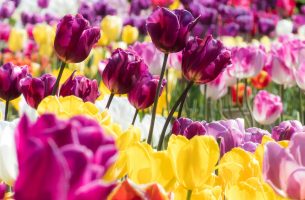
Whisper it quietly, but spring is here
(horticulturally at least). Late winter is often a cold and drab affair, and many of us yearn for the brighter and warmer (hopefully) days of early spring.
Last autumn, I wrote about a few of my
favourite evergreen shrubs, and this month I want to continue on that theme but with a focus on those that flower in late winter.